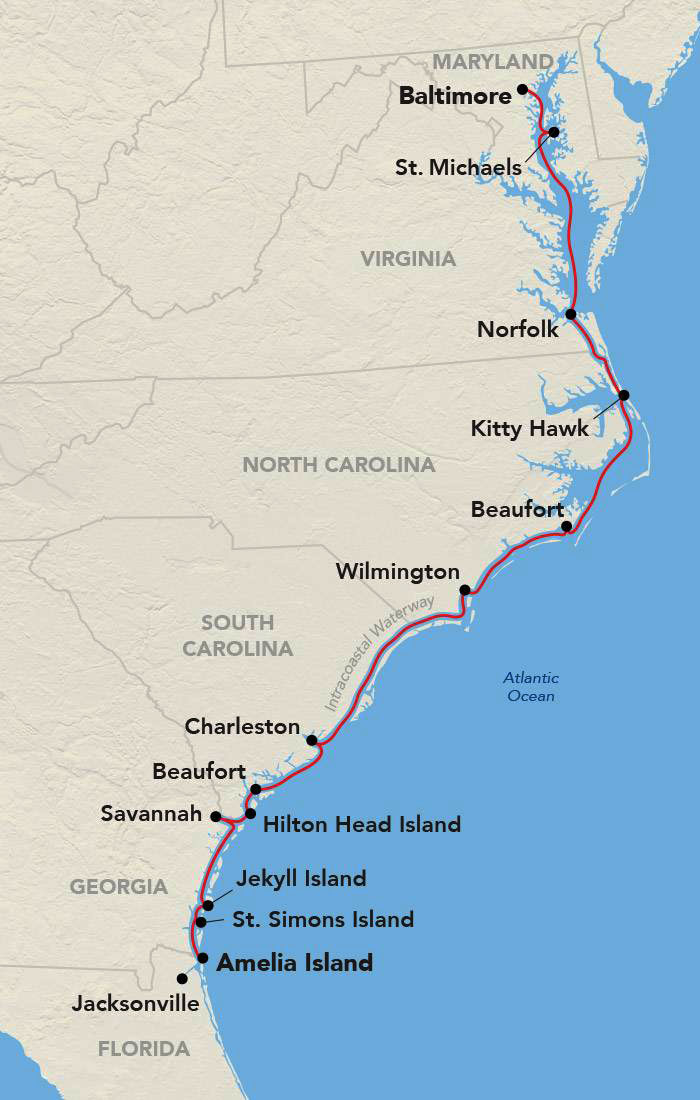
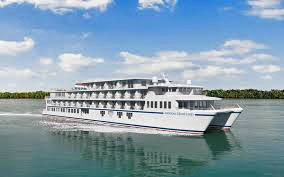
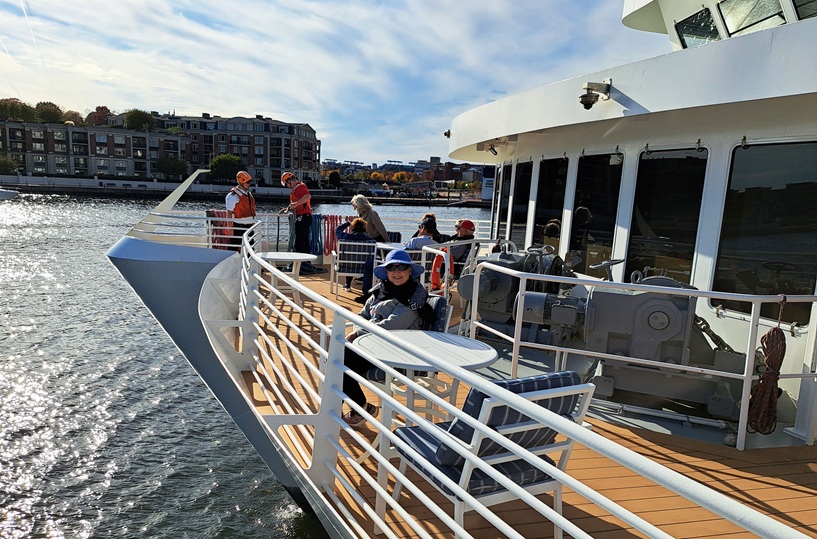
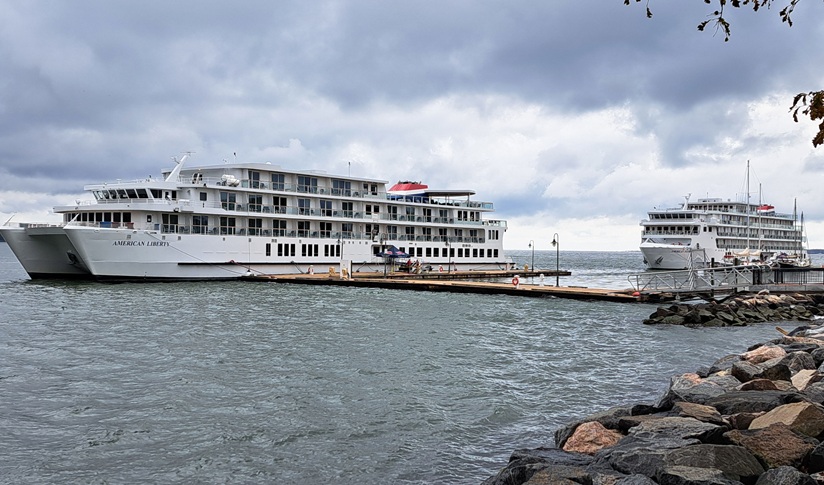
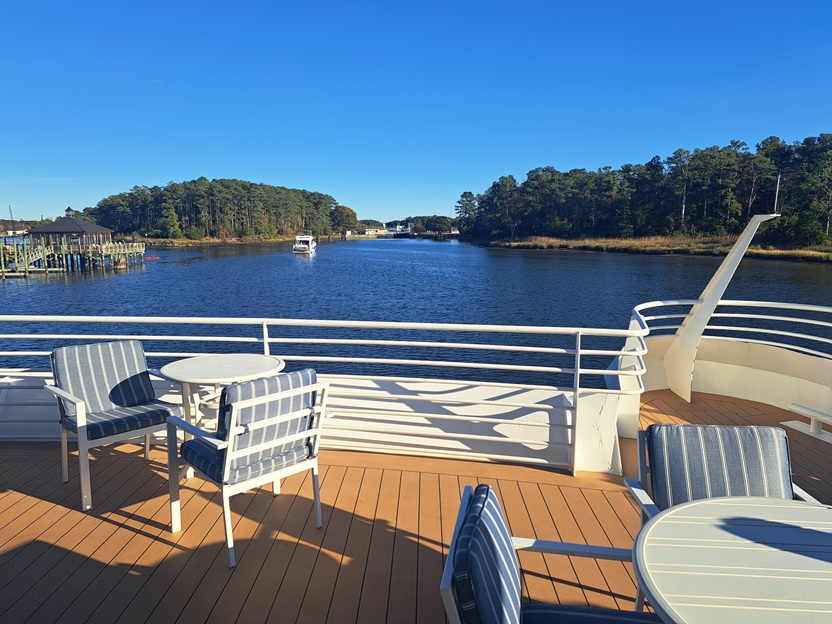
Continuing a "close to home" theme, Mike and Sandy, with friends Linda and Jack, took an American Cruise Lines (ACL) trip on the Intra-Coastal Waterway (aka ICW) from Maryland to Florida. We cruised on the American Liberty, a 100 passenger ship, about 250 feet long and 50 feet wide -- small by cruise ship standards. (100 passengers sounsd like a river boat, but this doesn't look like one -- maybe more like a cruise ship on a diet, and with a catamaran-style bow.) It is quite new, launched in 2024.
This is our first trip on ACL, whose ships we've seen on the Mississippi. They are growing very fast, and now have 21 ships. We knew the ships were U.S.-flagged and have U.S. crews, but now we also know that ACL owns the shipyard in Maryland where they are built.
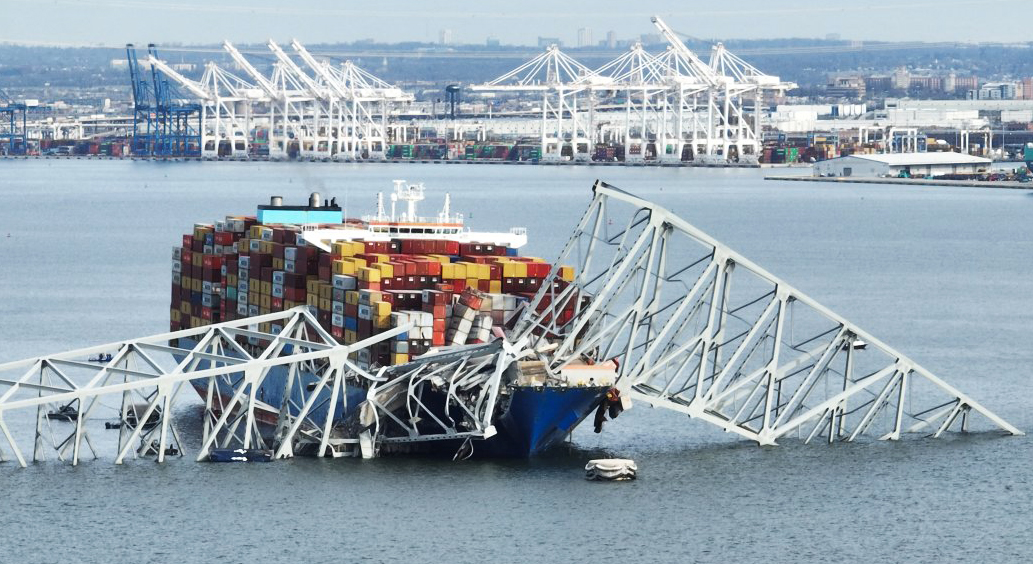
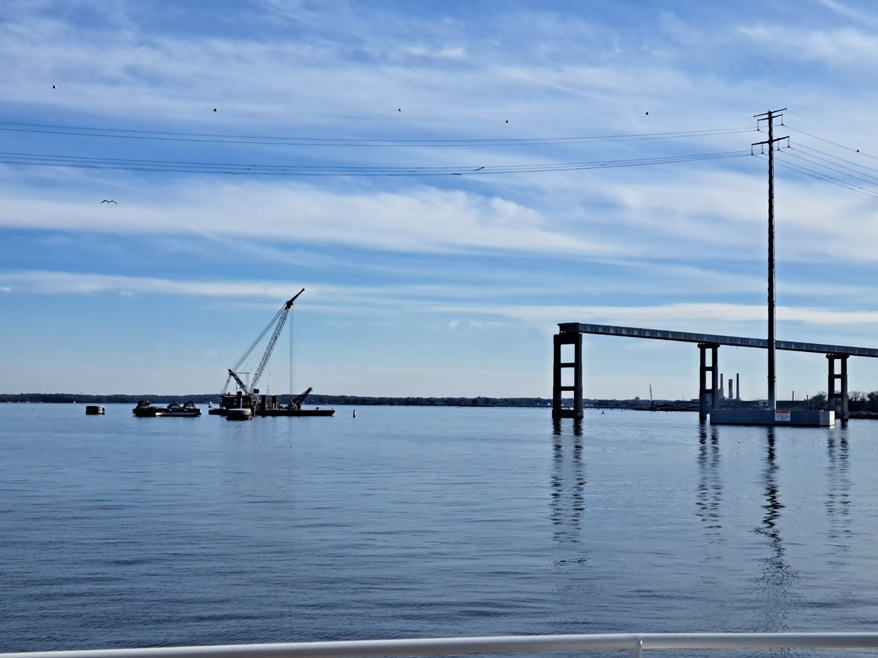
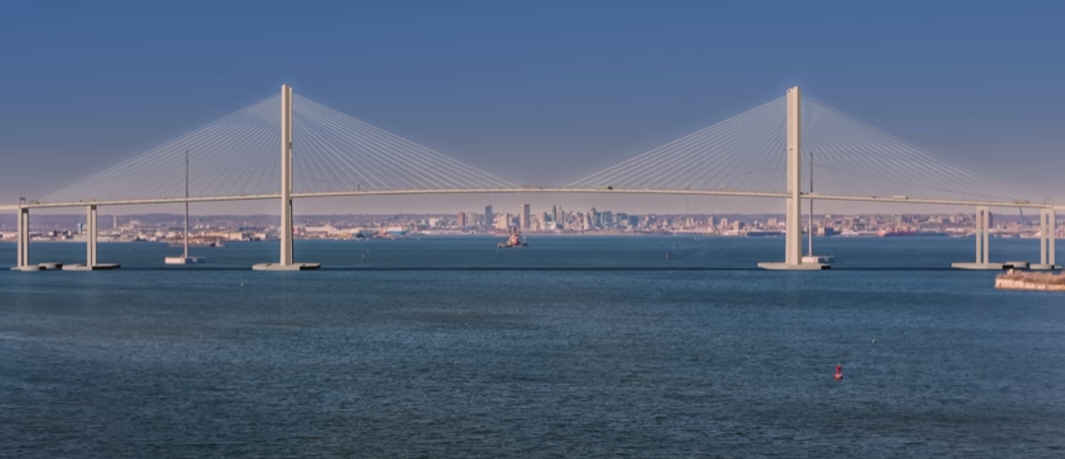
After a day's delay due to bad weather, the cruise started in Baltimore Harbor, where last year a container ship lost power, collided with the Francis Scott key Bridge, and caused most of it to collapse into the water. Here's the crash, the progress of demolition, and what the replacement bridge likely will look like.
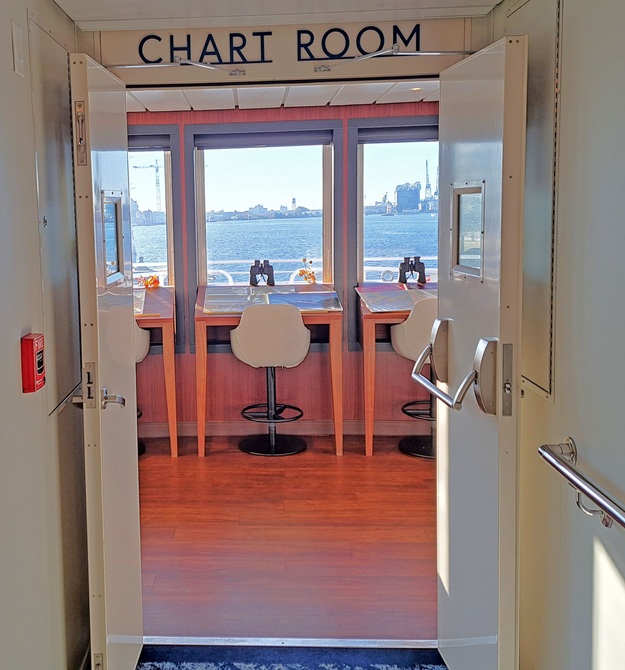
There were lots of "ports of call" ahead, but first here's some scenes ON the ship.
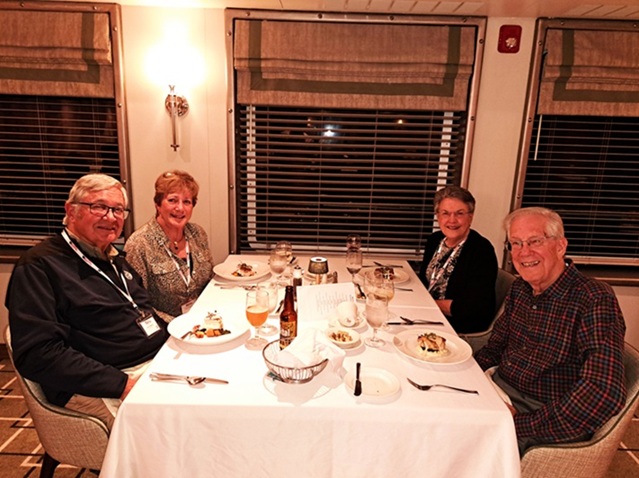
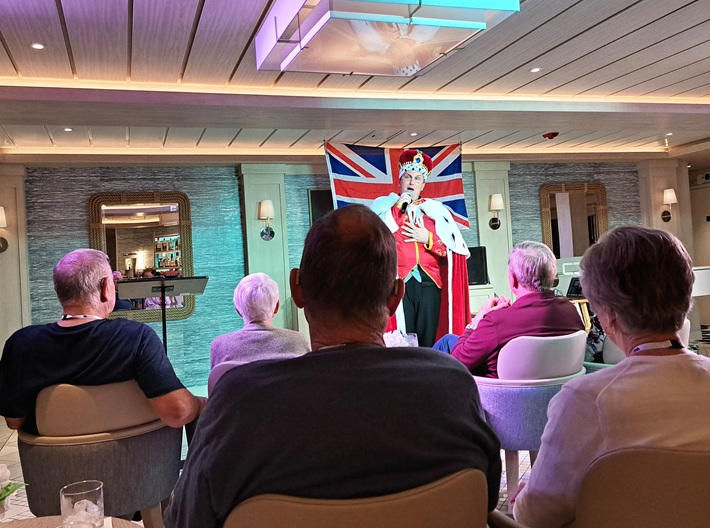

On a small ship (crew of 50), staff often wears more than one hat. The Housekeeping Manager by day became a bartender at night, and the quite knowledgeable Port Lecturer became an amazing singer and entertainer after dinner (he has performed at New York City's Lincoln Center, at the Metropolitan Opera, in Broadway plays, for Presidents Bush (GW) and Obama, and for First Lady Milania Trump).
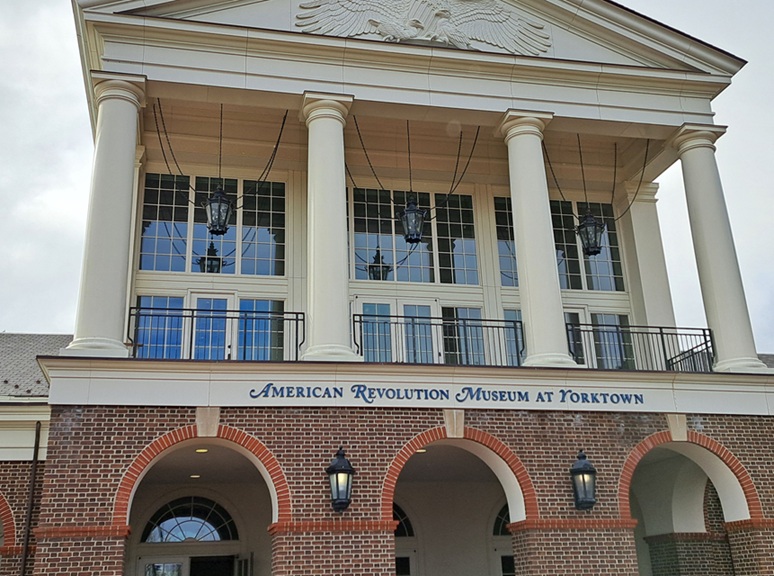
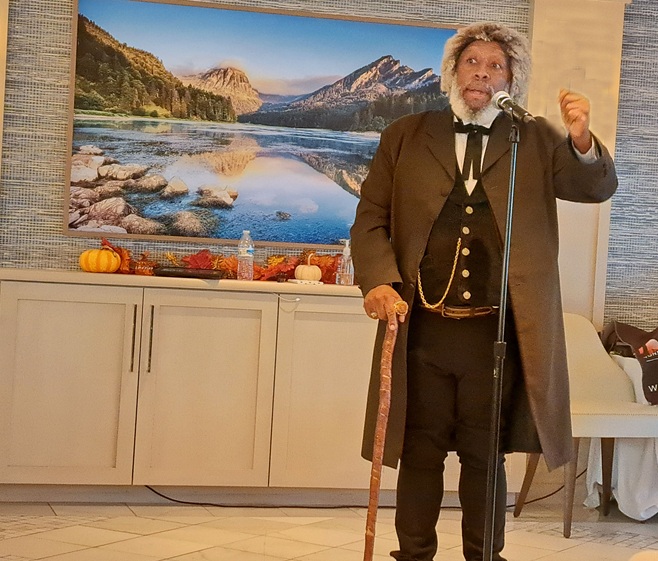
The next day we called not at St. Michaels, but at nearby Yorktown, Virginia, where a tour of the American Revolution Museum at Yorktown was a highlight. Docked by us was the American Patriot, a sister ship on an itinerary of American Revolutionary sights. That night, Frederick Douglass came aboard and spoke to us.
Norfolk, Virginia, home of several big Navy installations, was the next port. (This is where most Atlantic fleet US Navy ships are based.) Naval Air Station Oceana (huge!) shows how the Navy can treat cities that welcome it (hint!). My tour was of a private museum of WWI and WWII planes, most in flying condition and used in movies, TV shows, etc.
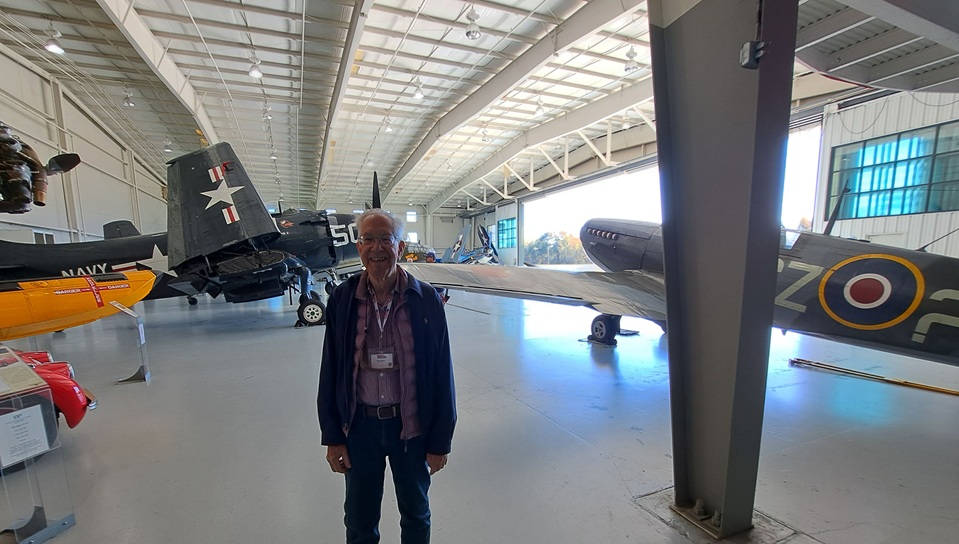
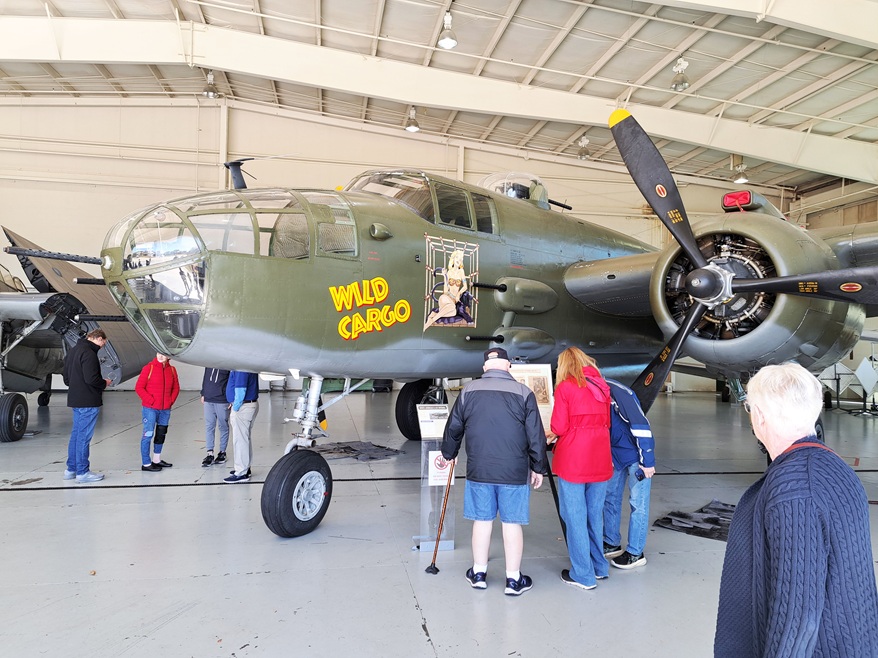
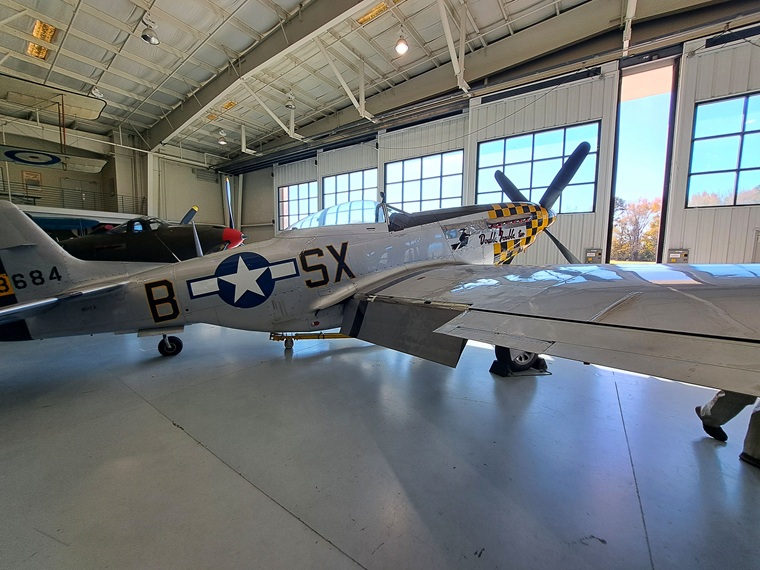
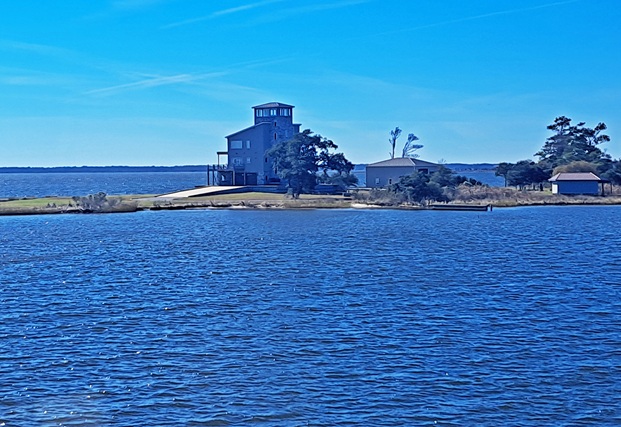
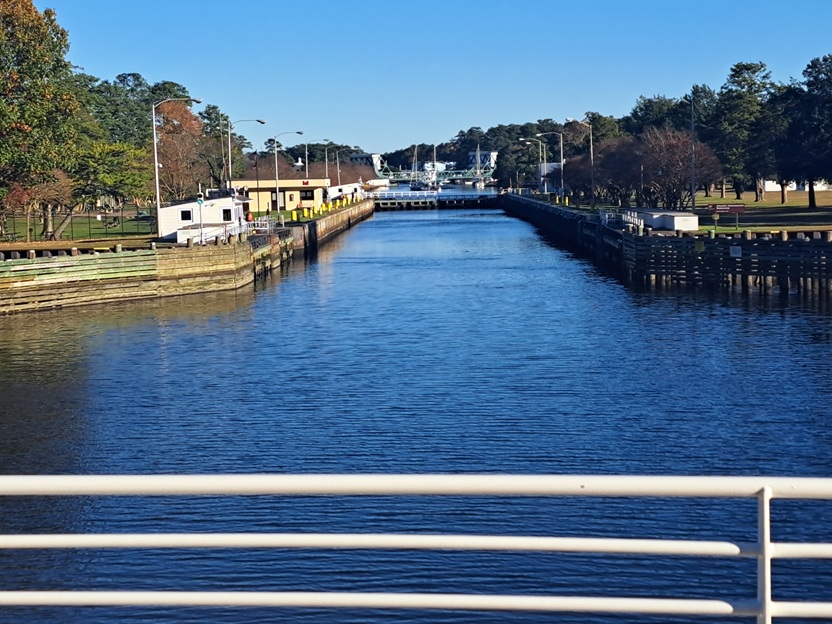
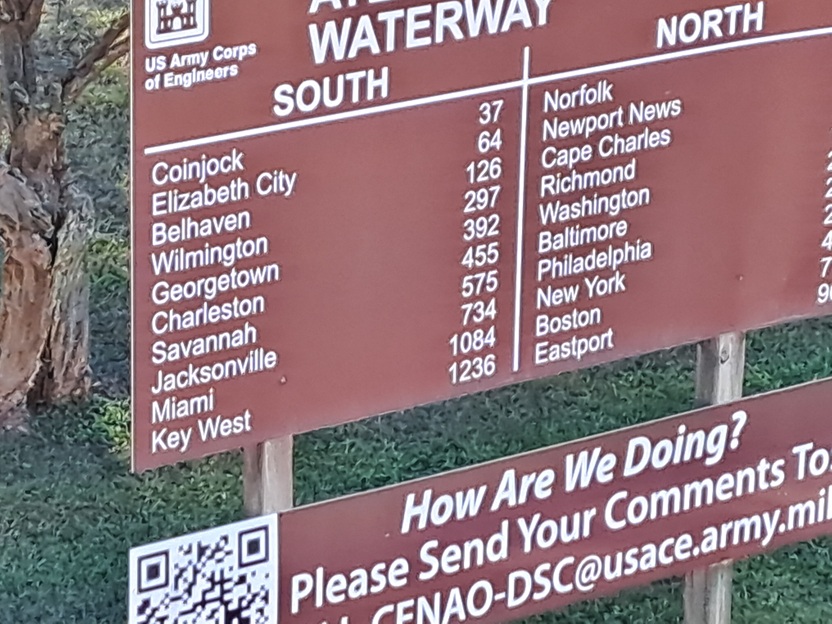
Leaving Norfolk means we left Chesapeake Bay, and got to the ICW itself. While part of the ICW is just ocean water hiding behind various barrier islands, other parts of it are rivers with locks (run by the Army Corp of Engineers, just like the locks on the Mississippi River) or man-made canals (also managed by the ACoE). We shared space on our trip south with other vessels similar in size to us, but also with lots of motor yachts, fishing boats, etc.
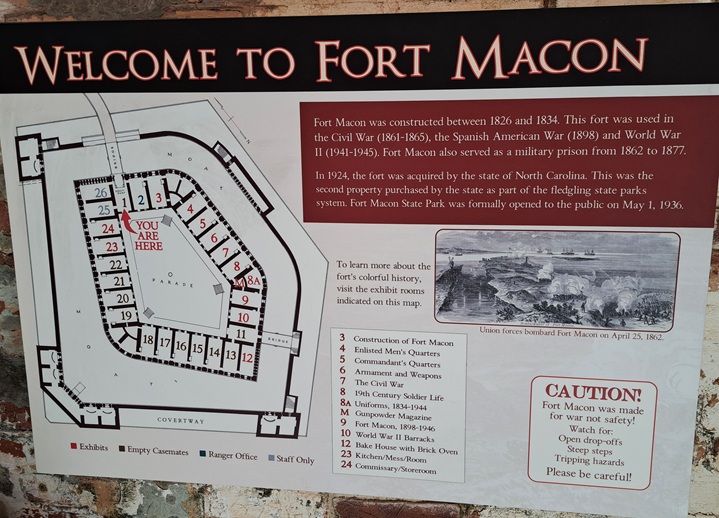
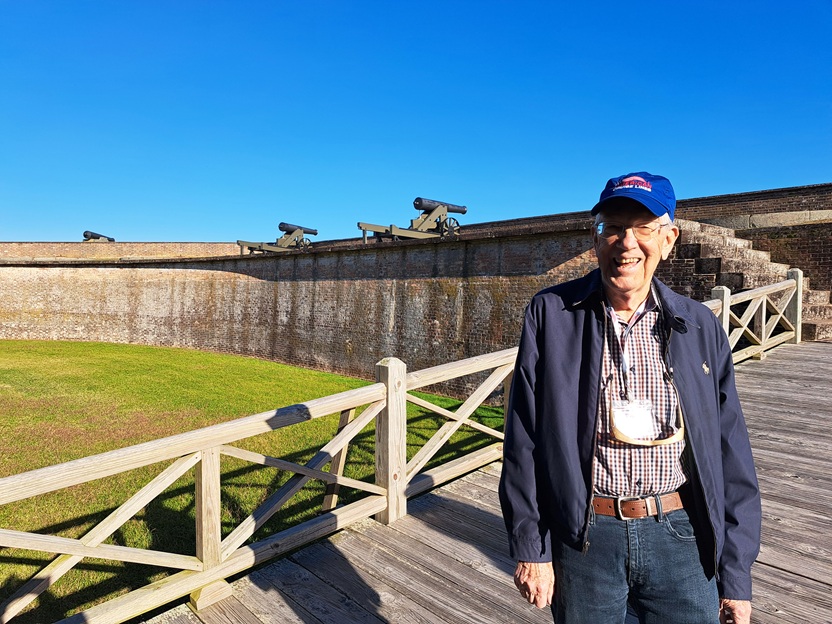
Beaufort (say "BOW FORT") North Carolina was the next stop, and is a old town now devoted to tourism, fishing, and winter boat storage. The fort has been in use by one military or another for over almost 200 years, and has been restored to mint condition. Many of its features are similar to Ft. Point, under the Golden Gate Bridge.
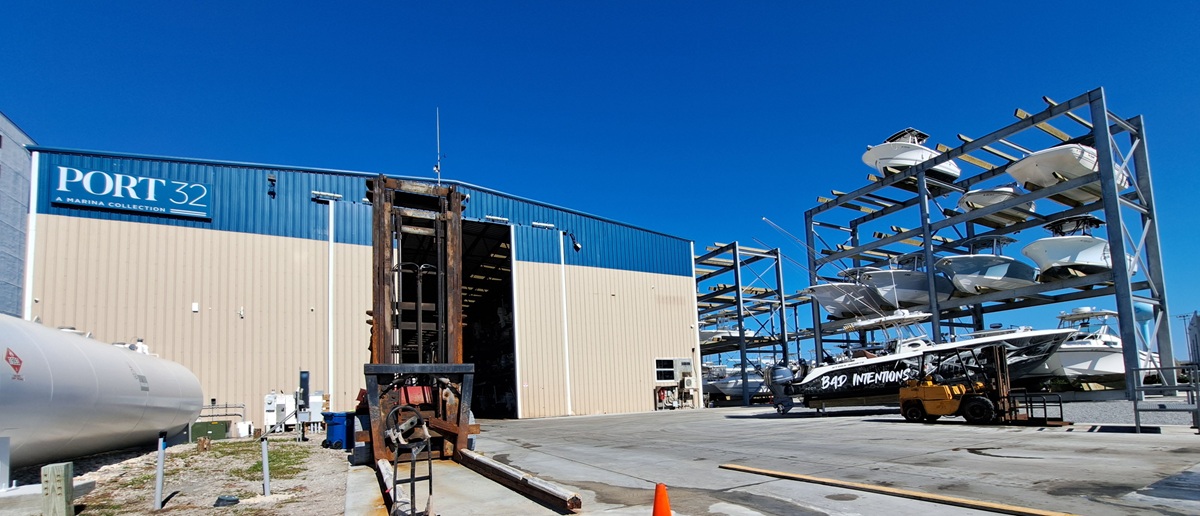
North Carolina must have offended someone at the weather bureau, since weather issues made us skip our next two stops, Kitty Hawk (sorry, Wright Brothers) and Wilmington. Our run past Wilmington marked the first time our little ship was in the actual open ocean, as we hurried south to get back on our schedule. The ship rolled a little, but did just fine.
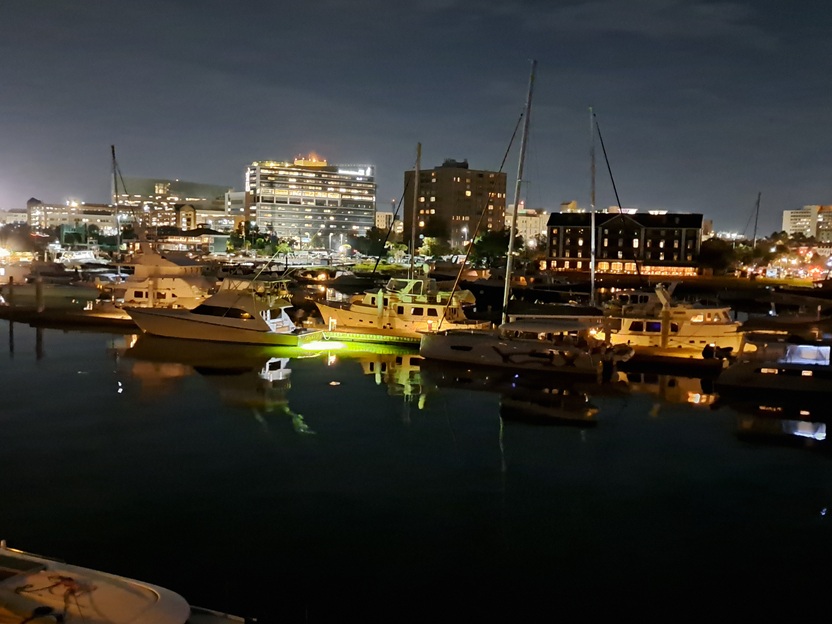
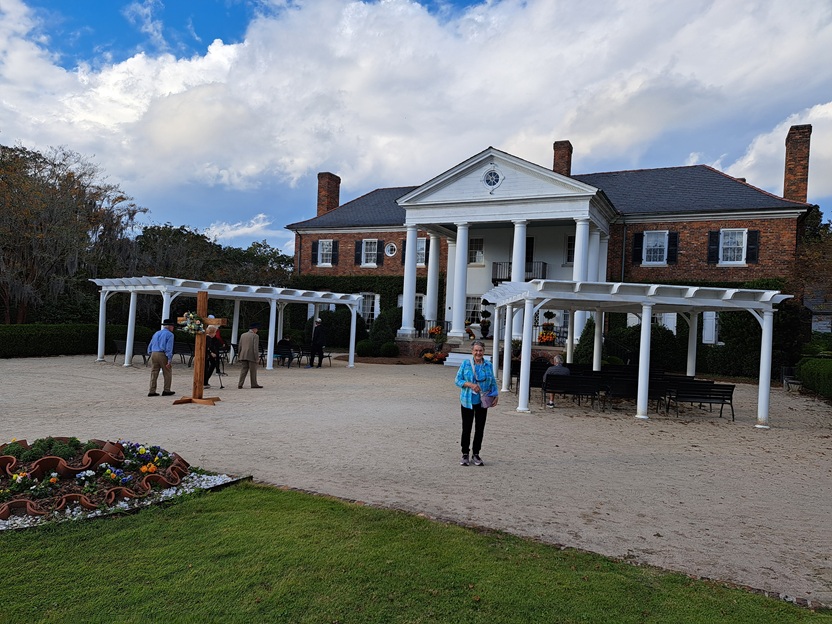
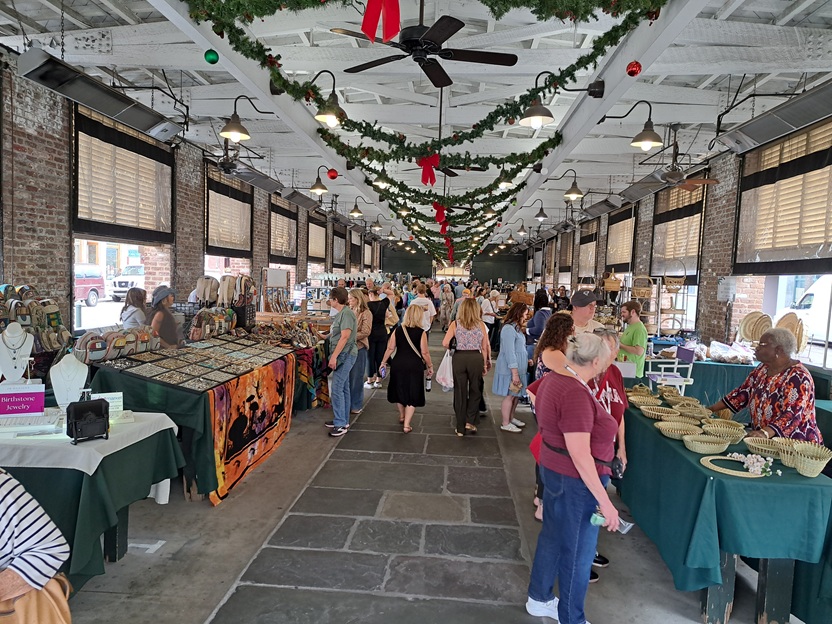
The next port was Charleston, one of the best known southern cities, thanks to Fort Sumter being in its harbor and its walkable historic district. We last visited here in 2017, so visited places we missed previously. One of these was Boone Hall, a large "plantation" nearby, but not a typical one -- this one was near clay soil, so it's "crop" for many, many years was bricks (still operated with slave labor.) We also went to the City Market (lots of arts and crafts kinds of things).
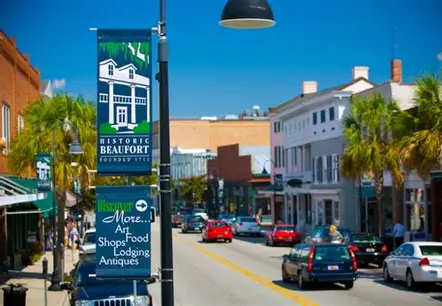
The next day we were in Beaufort. (Wait!! Did the ship turn around? We've already been to Beaufort!!)
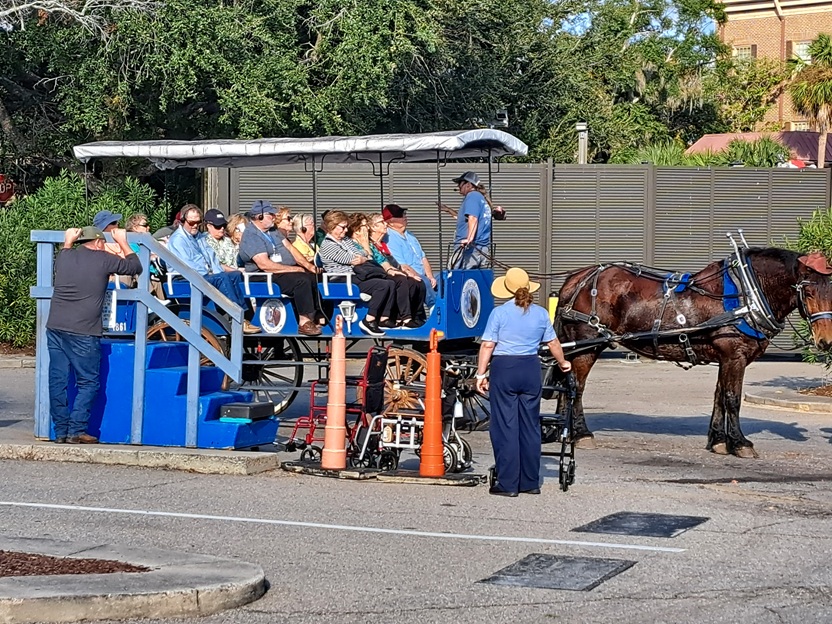
Ah, but this is Beaufort South Carolina, not the earlier one, and is pronounced "Beauu fert". We tried a horse-drawn wagon tour, and noted the town is famous for hosting the filming of many movies (like Forrest Gump, The Big Chill, The Prince of Tides, etc.)
Beaufort is also the town nearest Parris Island, where many Marine recruits do basic training.
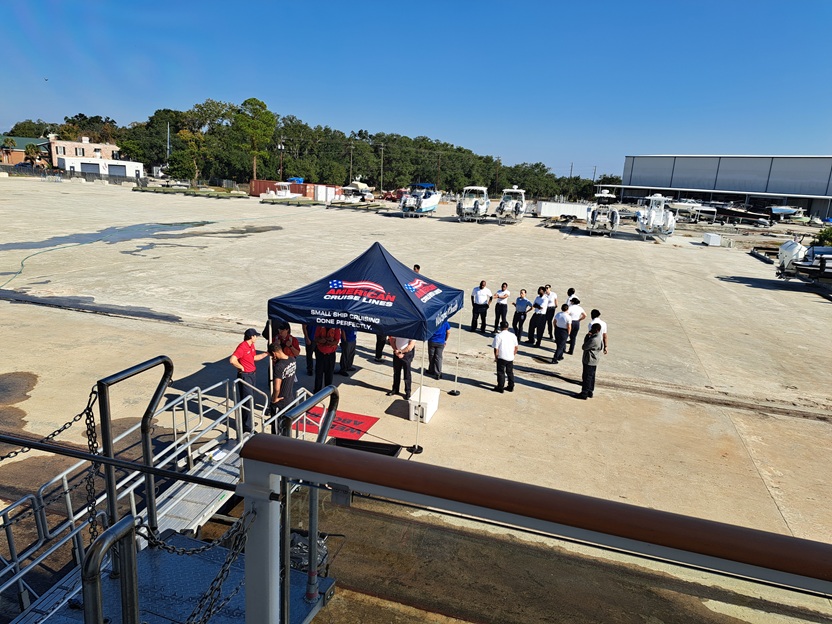
While we were in port, the crew had a simulated Abandon Ship drill. While our ship does have life rafts, it is seldom far from shore, so the Captain said this is actually the most likely scenario in case of a fire or other major problem requiring evacuation.
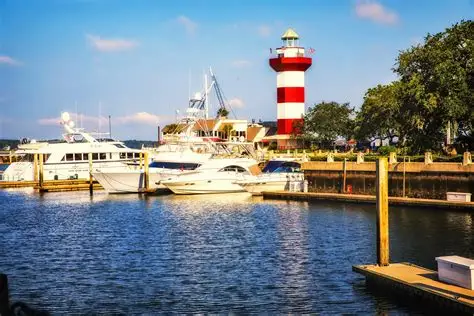
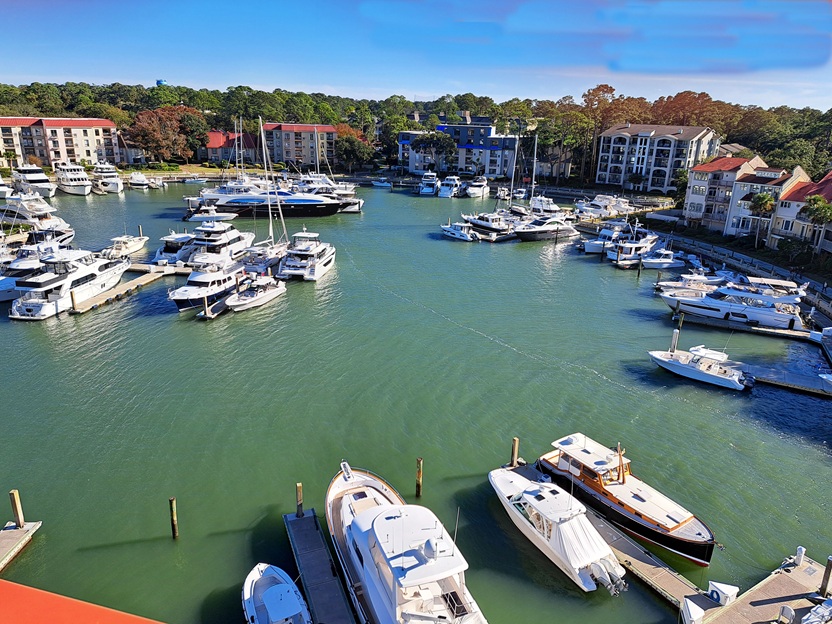
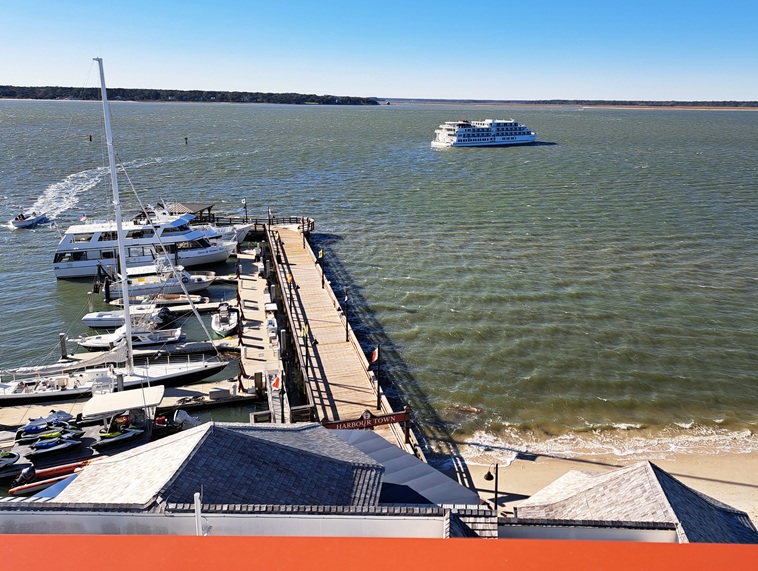
Going from old money to new, our last stop in South Carolina was Hilton Head, a resort and vacation island. I'd describe it as sort of a "Carmel of the East Coast." Nice views from the top of the lighthouse, along with a Coast Guard exhibit.
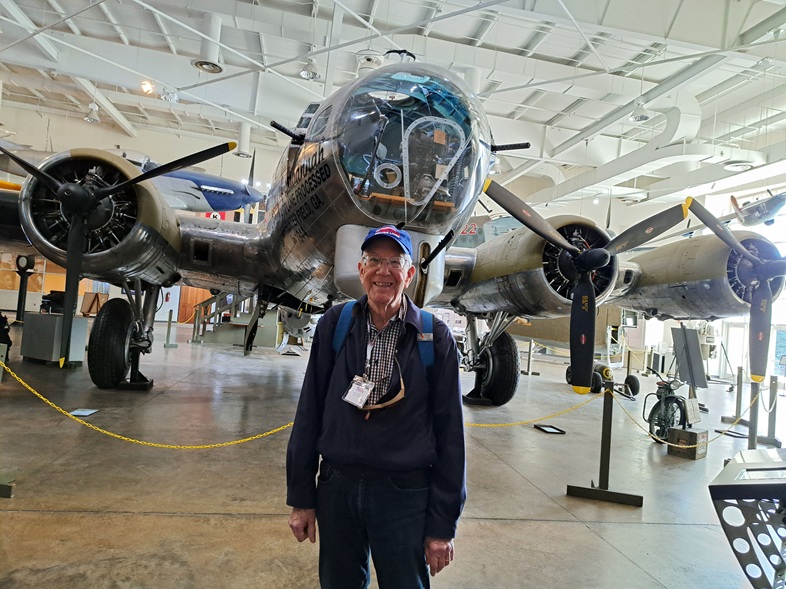
Savannah, Georgia, was recording record low temperatures when we arrived. We docked right downtown, and bundled up for a sightseeing trolley ride in the historic district. Later, we visited the "Museum of the Mighty 8th Air Force," which was not so much about airplanes, but about the servicemen who served during WW II.
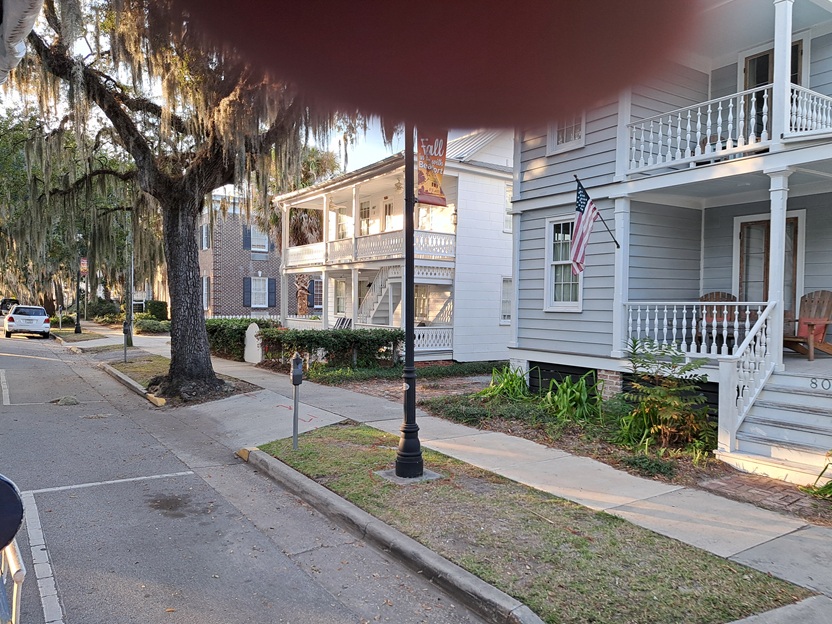
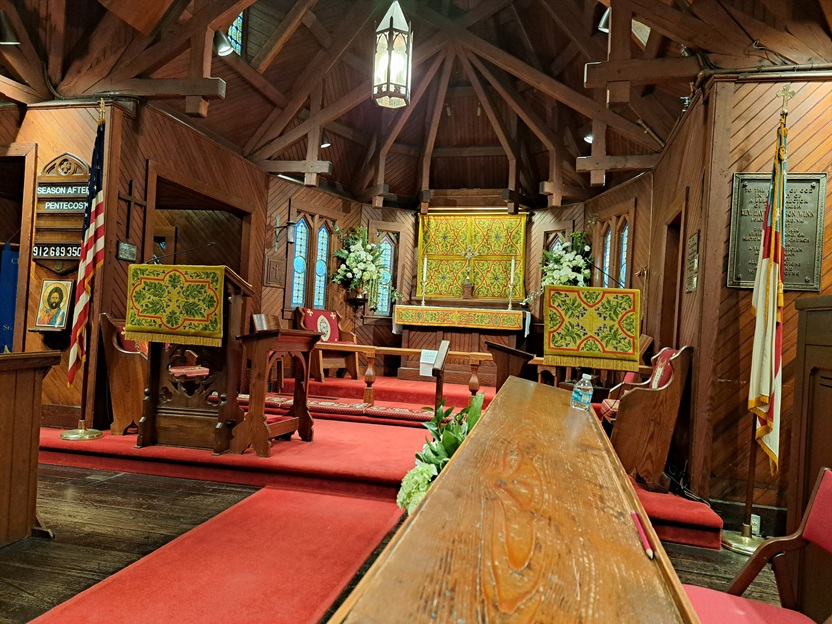
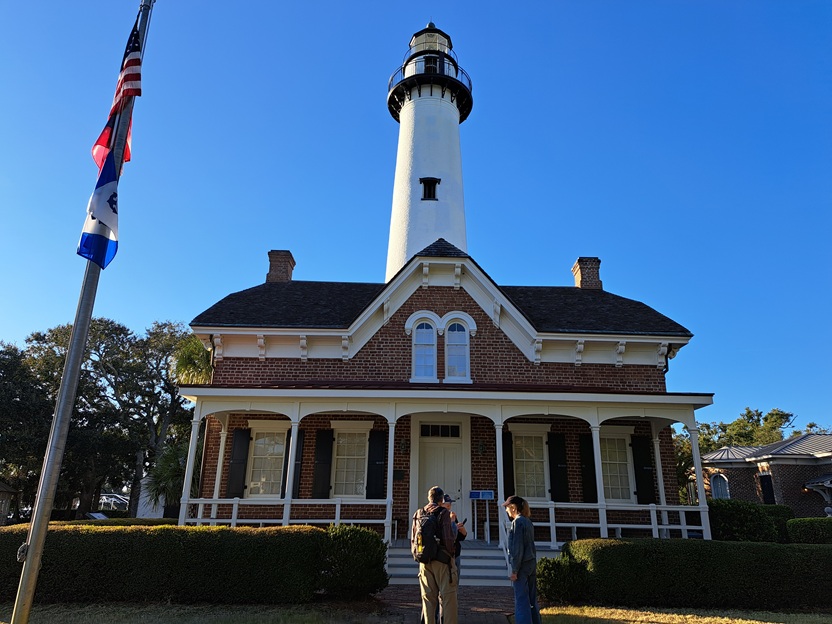
A day of scenic ICW cruising (amazing amount of marshy areas) brought us to Brunswick, port for shrimp boasts and also for St. Simons Island and Jekyll Island, both known as seaside resort areas. On St. Simons Island, we visited an Anglican Church built in 1884, and learned that Presidents Carter and Bush had both attended services there at various times when there families were on the island for vacation. A resort there was the site for the G8 Summit meeting in 2004. And Mike climbed to the top of a lighthouse! Both Brunswick and Savannah had shipyards during WW II which built hundreds of Liberty ships.

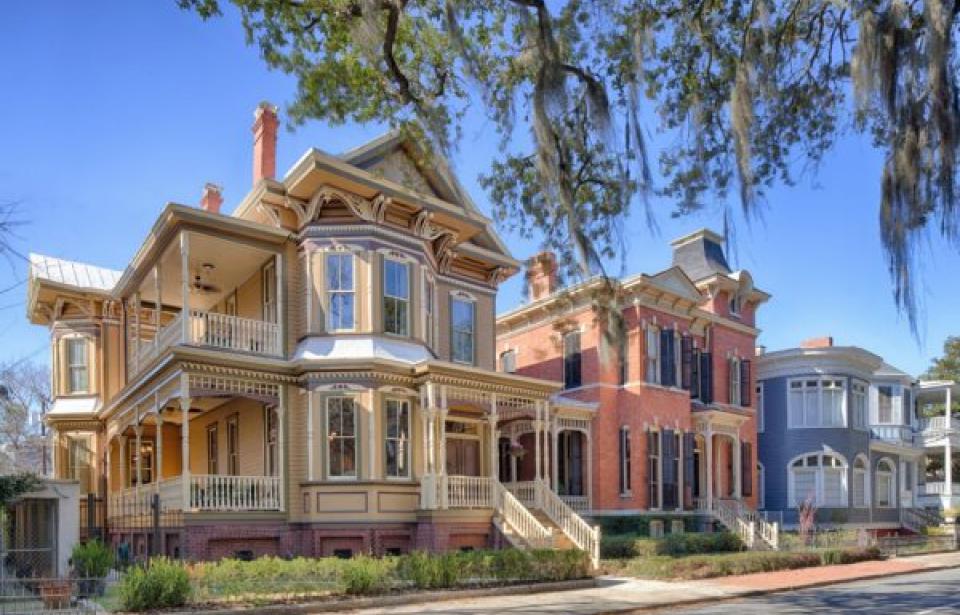
Our last day on the ship was spent at Fernandina, a town on Amelia Island, Florida. (The names reflect the island's varied past: Amelia was the daughter of British King George II, while Fernandina is in honor of King Ferdinand VII of Spain.) This island has had Spanish, British, and French flags, at different times in history. We took a trolley car tour of some Victorian-era neighborhoods.There's certainly history here, but it's also a very pleasant tourist town.
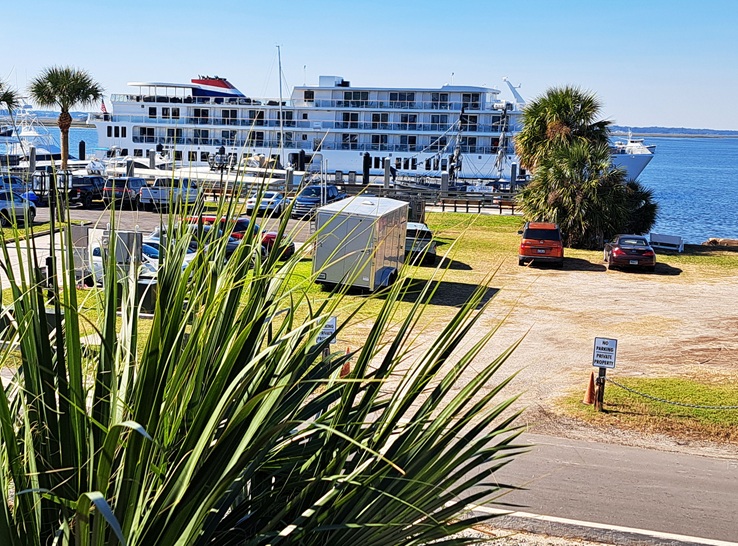
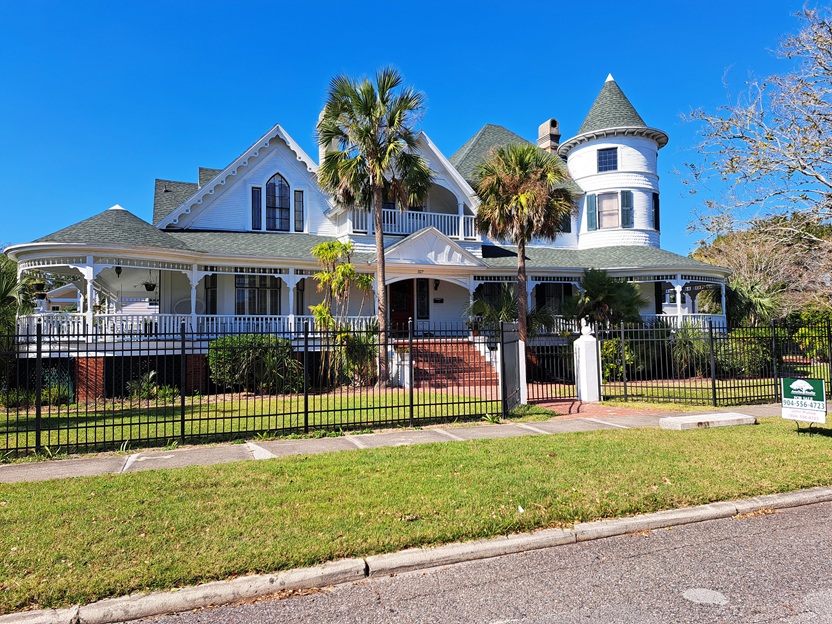
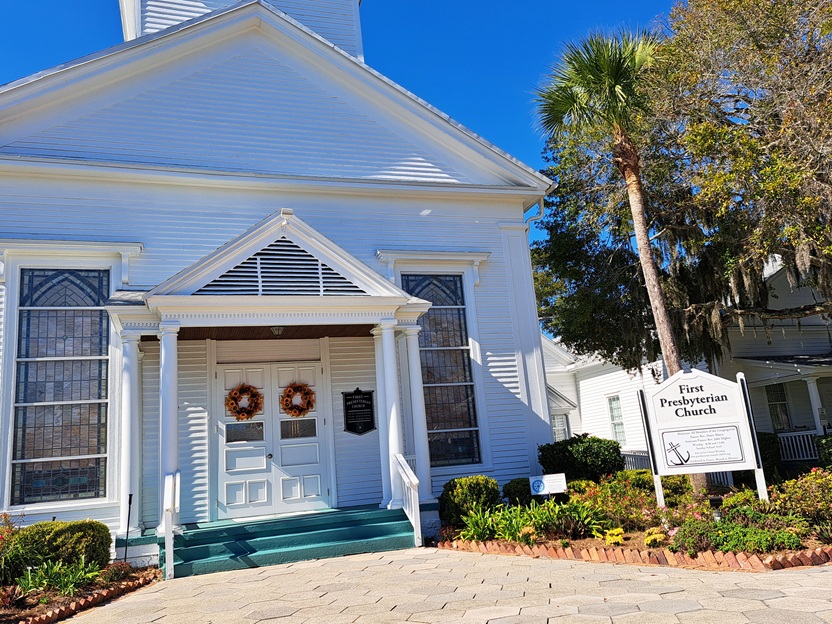
OK, off the ship, and head for the Jacksonville airport. But wait! There's more!
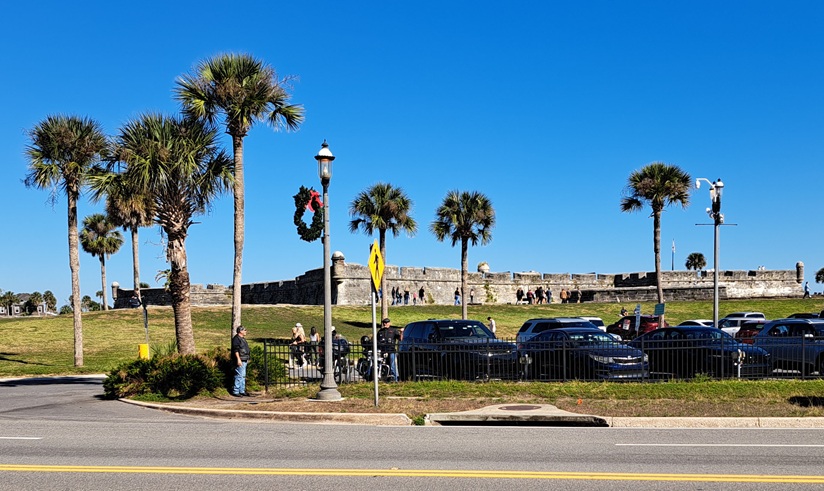
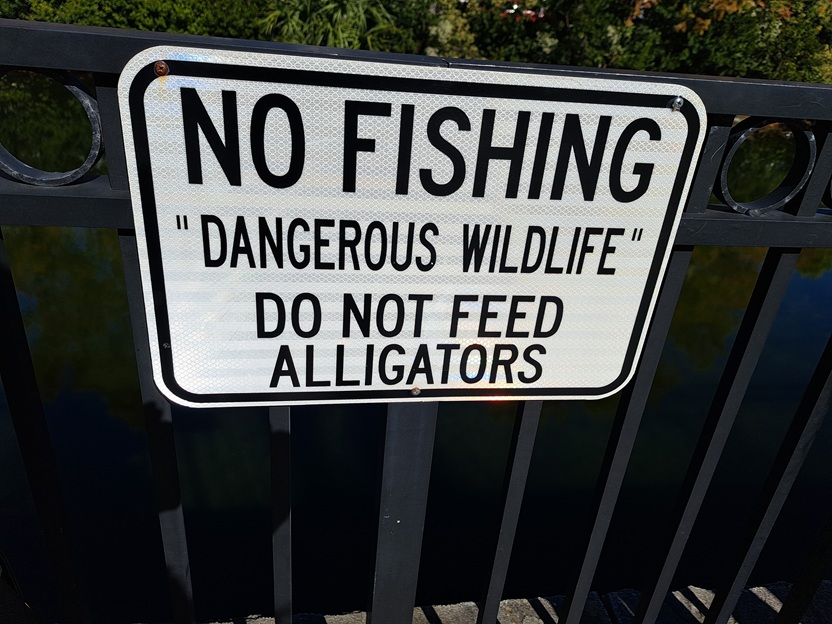
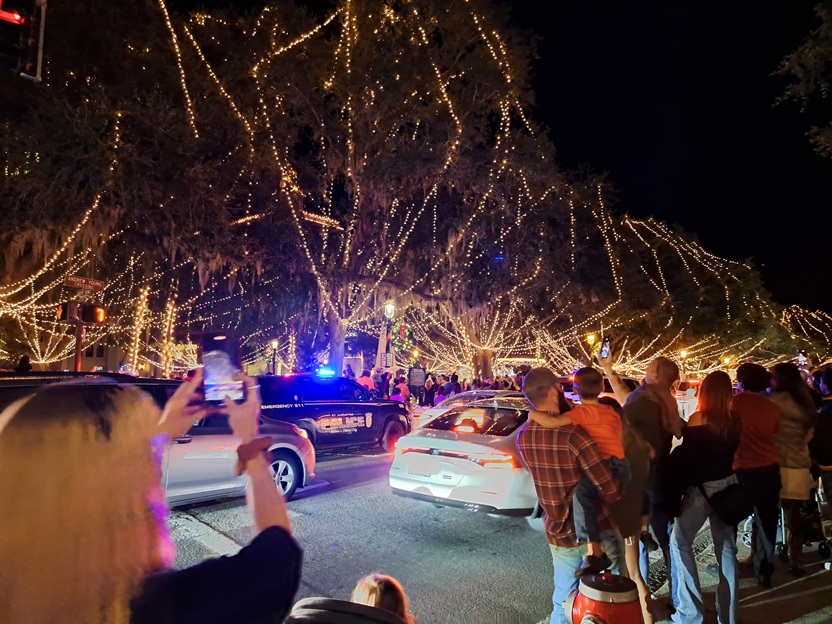
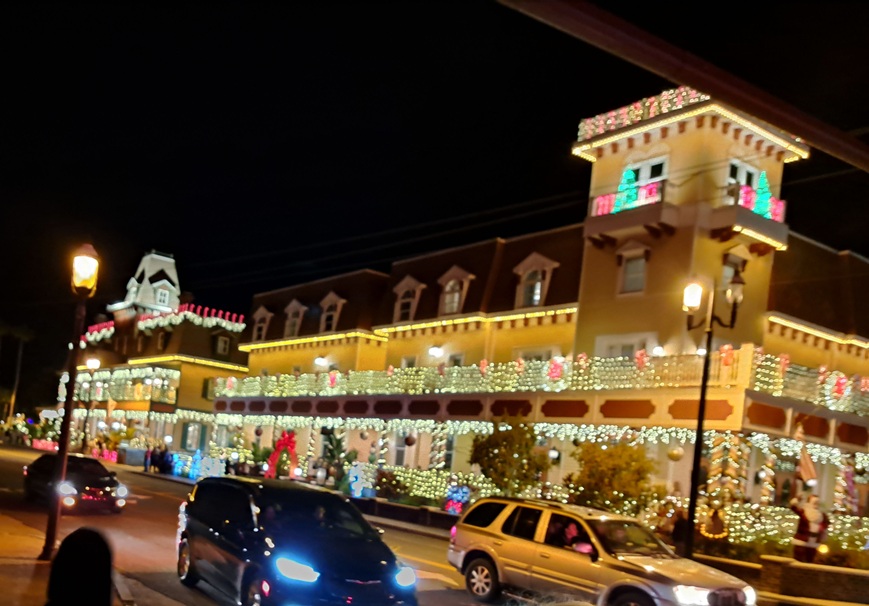
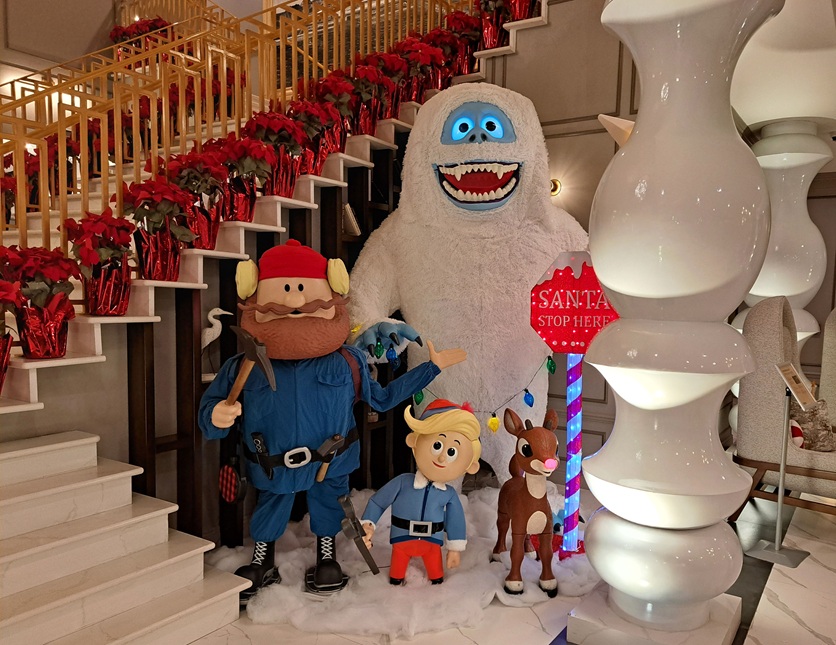
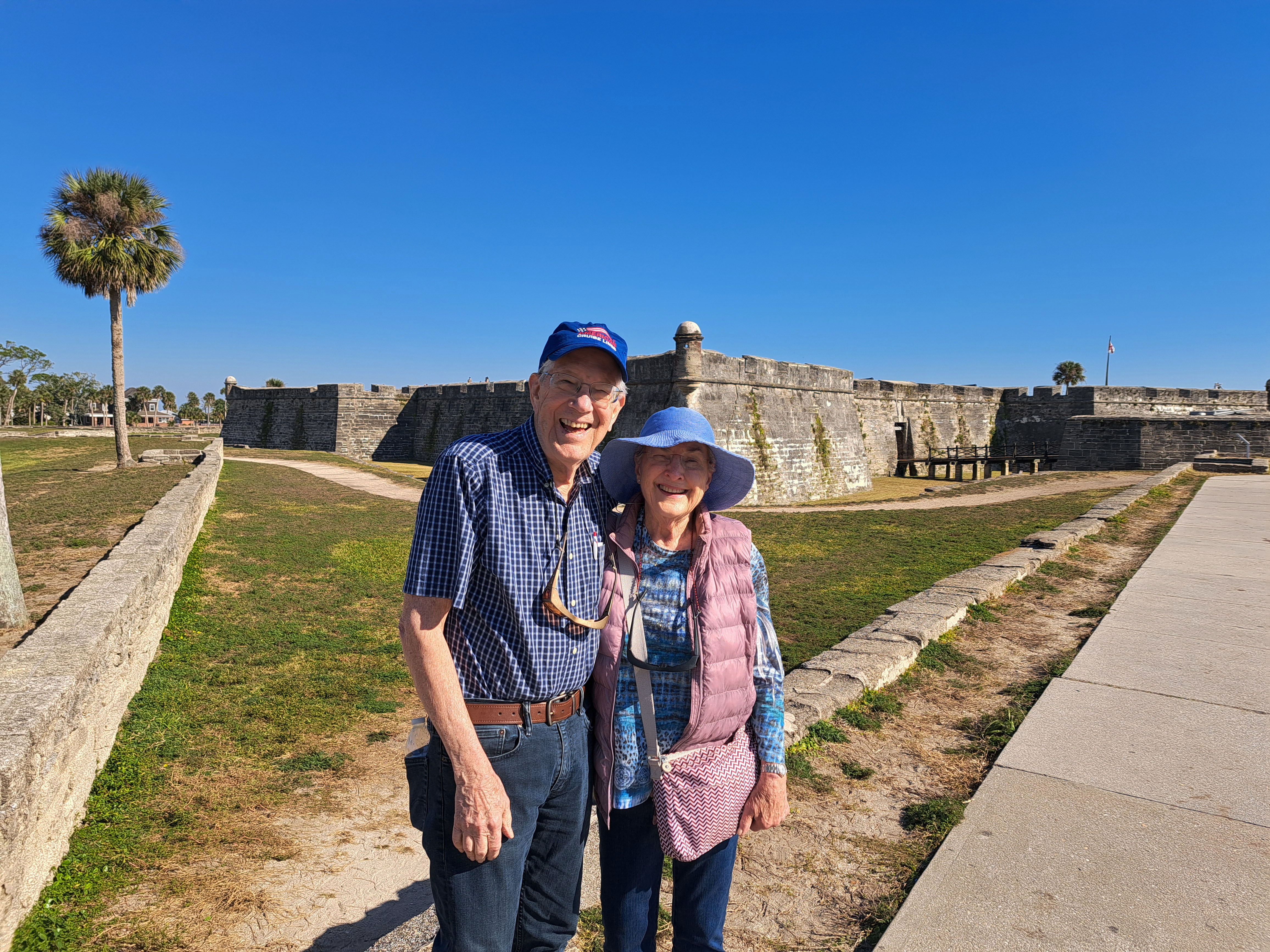
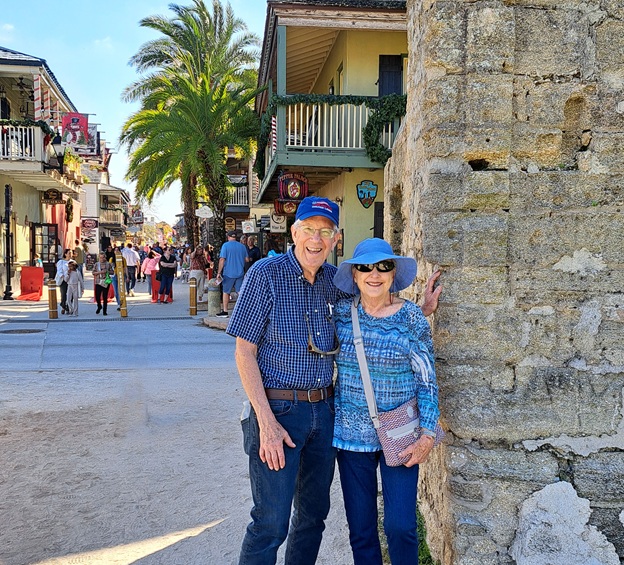
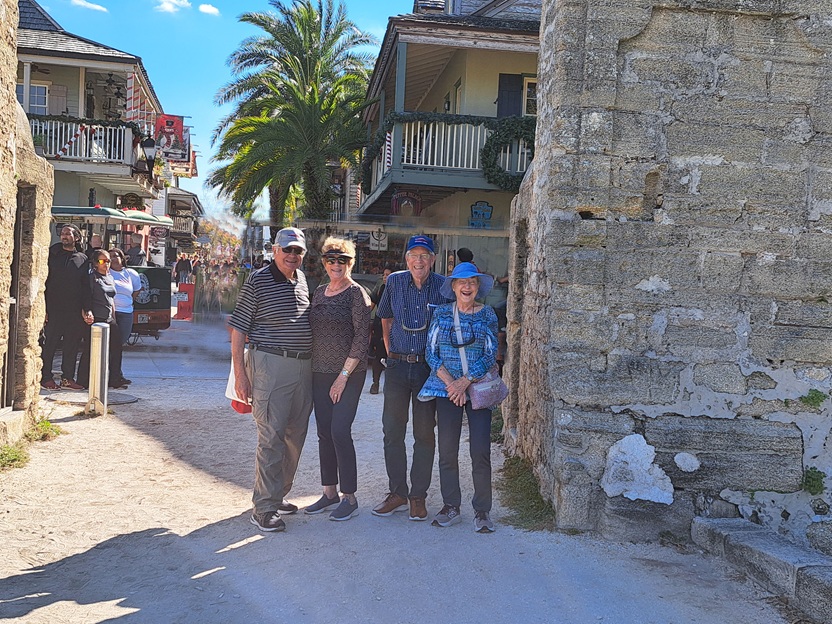
We rented a car and drove on south to St. Augustine, the "oldest continuously inhabitated settlement in the country," and spent a couple of days sightseeing. What would an old Spanish town be without a fort? And what would any town in Florida be without alligators? Sadly Ponce de Leon's Fountain of Youth has been way over-commercialized, but as it's the peak holiday time for tourists, decorations were everywhere. A surpirse to us, our first night here was the lighting of the big Christmas tree in historic old town, and the streets were beautifully lit up. Even our hotel got in the spirit.
The Home Page.